
Introduction
Hydrogen Production and Supply in New Zealand.
New Zealand’s hydrogen market is still small and specialised.
Traditional industrial-gas companies supply compressed hydrogen for laboratories, manufacturing and demonstrations, while newer producers are making renewable hydrogen for trucks and other hard-to-electrify uses. Capacity and price are rarely published, so prospective buyers generally need a site-specific quotation defining gas purity, pressure, cylinder or equipment rental, delivery distance and expected volume.
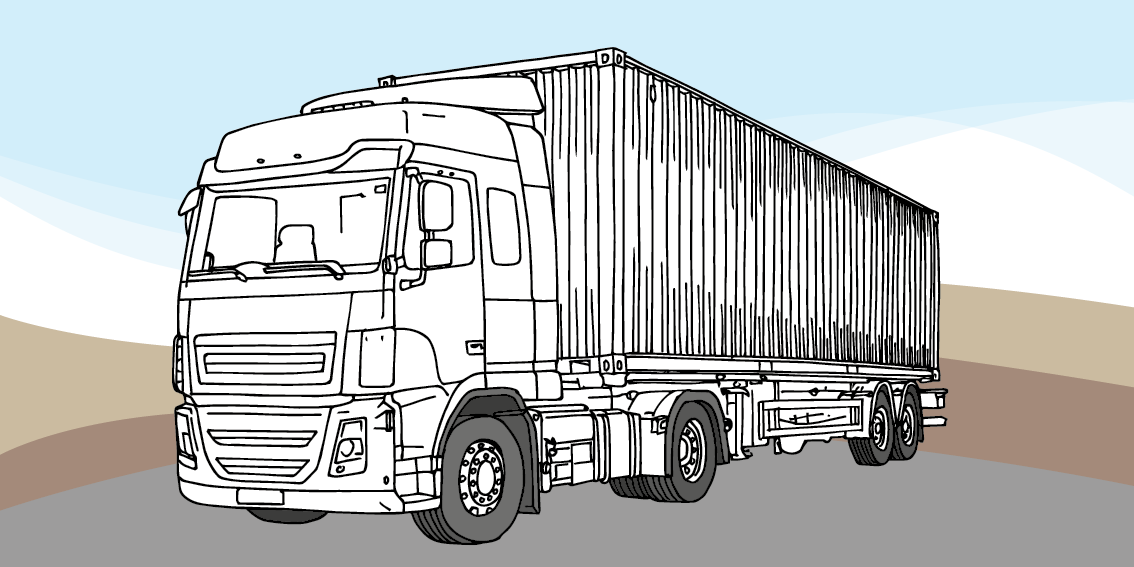
The current New Zealand suppliers of hydrogen gas include:
- BOC NZ
- Coregas
- Halcyon Power
- Hiringa Energy
- HW Richardson
BOC New Zealand
BOC New Zealand
BOC is the country’s most established industrial-gas supplier and offers industrial and high-purity hydrogen in returnable cylinders, including D and G size packages.
Cylinders can be delivered through BOC’s distribution network or collected from a store; for larger users BOC also offers engineered on-site hydrogen-production systems. BOC supplies clean hydrogen made by electrolysis to several local projects, but BOC’s current public website does not state its New Zealand hydrogen-production capacity or the origin of every cylinder fill.
BOC describes its wider gases business as having more than a century of experience. Prices for hydrogen supply include cylinder rental, delivery and surcharges—not just the gas.
Other Links
Coregas
Coregas
Coregas supplies industrial-grade and high-purity hydrogen.
Its New Zealand range is available in cylinders, while larger compressed-gas requirements can be served with mobile tube trailers so that a customer does not need a permanent plant.
Coregas says it manufactures gases locally and has supplied New Zealand businesses for more than 20 years. Its publicly identified hydrogen-production facility is at Port Kembla in Australia, so New Zealand buyers should confirm the origin of the hydrogen offered. Pricing is by enquiry and will vary significantly with grade, package size, rental and freight.
Other Links
Halcyon Power
Halcyon Power
Halcyon Power—a joint venture between Tūaropaki Trust and Obayashi Corporation—opened its Mōkai green-hydrogen plant on 9 December 2021.
The 1.25 MW electrolyser uses electricity from the adjacent geothermal power station and has a stated capacity of 180 tonnes a year, equivalent to about 493 kg a day if averaged across the year. Hydrogen is compressed and used to refuel vehicles.
Halcyon has supplied trials involving Hyundai fuel cell trucks and cars, Toyota Mirai vehicles and Auckland Transport’s hydrogen bus.
Other Links
Hiringa Energy
Hiringa Energy
Hiringa Energy opened New Zealand’s first network of heavy-vehicle green-hydrogen stations in April 2024.
Wiri, Te Rapa and Palmerston North opened first, with Tauranga subsequently joining the network. Each station uses renewable electricity to make hydrogen from water by electrolysis, then compresses, stores and dispenses it on the forecourt. This avoids routine road delivery of fuel to the station and gives trucks and buses a diesel-like 10–20 minute refuelling process.
Other Links
H.W. Richardson Group and Allied Petroleum
H.W. Richardson Group and Allied Petroleum
H.W. Richardson Group is developing a separate Southland supply route alongside its CH2NGE dual-fuel truck technology.
Its first planned electrolyser is rated to make up to 450 kg of green hydrogen a day. HWR describes the process clearly: water and renewable electricity feed the electrolyser; a compressor raises the gas pressure; hydrogen goes to on-site cascade storage or a mobile tube trailer; and dispensers transfer it into dual-fuel trucks.
The associated Allied Petroleum forecourt near Bluff has been commissioned for diesel and AdBlue, and hydrogen will be available soon.
Other Links
On-site Micro Production and Private Refuelling
On-Site Micro Production and Private Refuelling
Merchant cylinders and large public stations are not the only supply models available to a New Zealand customer.
A business with a small, predictable hydrogen demand can produce fuel on its own site using a micro electrolyser. Systems producing up to 10 kg per day can be integrated with purification, compression, buffer storage and dispensing equipment to provide 700-bar refuelling for compatible fuel cell passenger vehicles.
This scale can suit a controlled return-to-base fleet, corporate vehicles, rental cars, local-authority vehicles or a demonstration programme. The customer does not need to wait for a major public 700-bar station and gains greater control over fuel availability, production timing, electricity source and site access.
Daily production does not need to equal the maximum quantity delivered during one refill. Hydrogen can be accumulated in correctly engineered storage between vehicle visits, allowing production to run steadily while vehicles are refuelled according to an operating schedule. The appropriate configuration depends on daily kilometres, vehicle consumption, the number and timing of fills, reserve requirements and the time available to replenish storage.
On-site production still requires a complete project assessment. Electricity and water supply, hydrogen purity, compression duty, storage, 700-bar fill protocol, equipment certification, separation distances, consenting, emergency planning, servicing and operator training must all be confirmed for the site.
For the right small fleet, a micro system can provide useful energy sovereignty: locally controlled hydrogen at the place where the vehicles return each day.
See Also
Other Links
Pricing and Commercial Comparison
Pricing and Commercial Comparison
A useful comparison looks beyond the quoted price per kilogram.
Public hydrogen prices remain uncommon in New Zealand. Delivered industrial gas may include cylinder or package rental, freight, account charges and minimum volumes. Station fuel may be offered under a fleet or vehicle contract. On-site production shifts more cost into equipment, installation, electricity, water, servicing and finance while reducing reliance on fuel delivery.
Customers should compare the complete cost of usable hydrogen at the required purity and pressure. The assessment should include expected kilograms per day and year, utilisation, storage losses, delivery or collection, refill time, maintenance, contingency supply and the value of having fuel available on site.
A small onsite system will not have the production economies of a large plant, but it can avoid repeated transport and rental charges and may create operational value through local control. The best result depends on the customer’s demand pattern rather than scale alone.
Other Participants and Planned Hydrogen Supply
Other Participants and Planned Hydrogen Supply
Several organisations are important without currently being general merchant suppliers.
Waitomo
Waitomo hosts Hiringa stations and provides familiar forecourt access, but Hiringa produces the hydrogen.
Ballance Agri-Nutrients
Ballance Agri-Nutrients already uses conventionally produced hydrogen internally at Kapuni to make ammonia. Hiringa and Ballance’s new Toi o te Hau project reached financial close in 2026 and includes a 5 MW electrolyser, but it is an industrial project under development rather than a public cylinder or forecourt supply offer.
Fabrum
Fabrum manufactures electrolysers, liquefaction, storage and dispensing equipment but does not advertise a nationwide commodity-hydrogen service.
Air Liquide
Air Liquide is a global hydrogen supplier and a Council member, although no specific New Zealand merchant capacity or price is publicly identified.
Other Links
Conclusion
Conclusion
In short, BOC and Coregas are the practical starting points for packaged industrial hydrogen; Halcyon is an operating renewable producer at Mōkai; Hiringa provides the main operating heavy-vehicle refuelling network; and HWR is building the South Island’s next substantial transport supply option.
Buyers should ask not only “what is the price per kilogram?” but also where the hydrogen was made, how it will arrive, what purity and pressure are guaranteed, and what happens if the normal supply route is interrupted.